Knows Calcium L Threonate

Share


Buy in


Calcium L-Threonate
What is Calcium L-Threonate?
Among calcium supplements, the three common forms are:
Calcium Carbonate
Calcium Citrate
Calcium L-Threonate
Calcium L-Threonate is a small-molecule calcium, which allows the body to dissolve and absorb it efficiently — up to 90–95%.
It is derived from corn, through processes that yield Vitamin C and its component, L-Threonic Acid. This compound helps enhance the activity of Vitamin C in the body, supporting collagen formation and increasing synovial fluid.
General Production Process
Corn starch → fermentation/enzyme process → Glucose
Glucose → fermented by bacteria/microorganisms → Vitamin C (Ascorbic acid)
Vitamin C → partial oxidation → L-Threonic acid
L-Threonic acid + Calcium salt → Calcium L-Threonate
How is Calcium L-Threonate Different from Other Forms of Calcium?
Absorption: Calcium L-Threonate is absorbed 6–9 times better than other forms.
Dosage: Since it is highly bioavailable, only a small amount is needed compared to other calcium types.
Side effects: Minimal digestive issues (such as constipation or bloating).
Stomach acid: Does not require gastric acid for absorption; can be taken on an empty stomach.
Insights from “What You Need to Know About Calcium” (Bangkok Hospital)
The body cannot synthesize calcium on its own. Calcium comes from two sources: diet and supplements.
Calcium supplements can be grouped into 3 main “families,” recognizable by their “surname”:
Calcium Carbonate → absorption ~10%; may cause bloating and constipation
Calcium Citrate → absorption ~50%; must be taken with food (requires stomach acid)
Calcium L-Threonate → absorption ~90%; can be taken on an empty stomach
Comparison Table
| Type | Absorption | Dosage | Stomach Acid | Side Effects | Price |
|---|---|---|---|---|---|
| Carbonate | 10% | High (40%) | Requires gastric acid | Constipation, bloating | Low (cheap) |
| Citrate | 50% | Medium (21%) | Requires gastric acid | Less constipation | Moderate |
| L-Threonate | 90% | Low (13%) | Anytime (no acid needed) | Minimal | High |
Key Notes on Calcium Supplements
Choose calcium forms with high absorption. Poorly absorbed calcium can cause constipation and bloating.
Do not consume excessive calcium, as it may accumulate and form calcifications in the breast, kidneys, or blood vessels.
Calcium should be taken with Vitamin D to enhance intestinal absorption.
Vitamin D3 supports calcium and phosphorus absorption, bone and muscle health, and maximizes calcium function.
Vitamin K2 helps carboxylate bone-forming proteins (e.g., osteocalcin), guiding calcium into bone tissue.
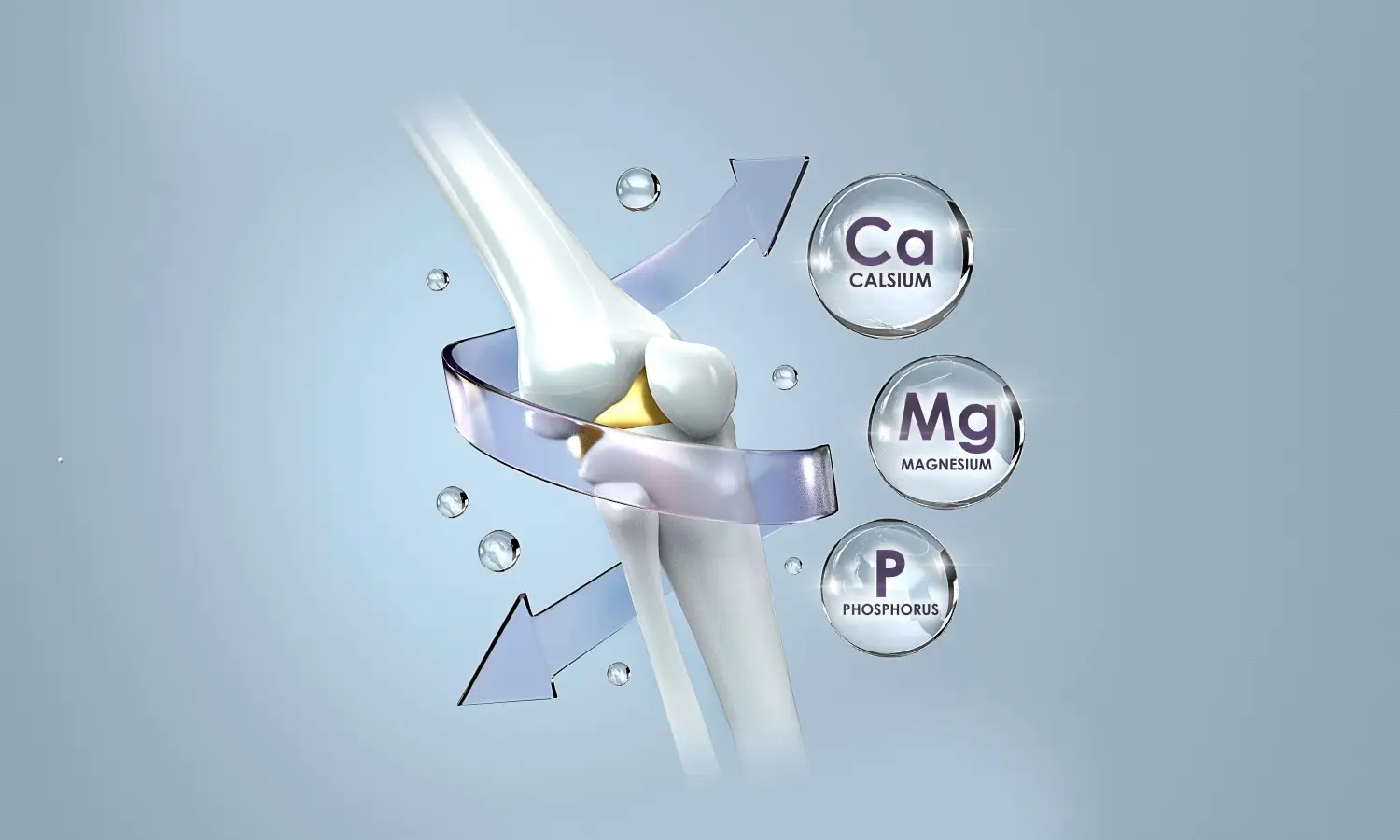
Magnesium works with Vitamin D in bone and muscle formation.
Boron helps balance calcium, Vitamin D metabolites, and certain hormones.
Horsetail extract: a natural source of silica, important for bone-collagen matrix.
Copper: necessary for enzymes related to collagen, elastin, and bone matrix.

Recommended Daily Calcium Intake by Age
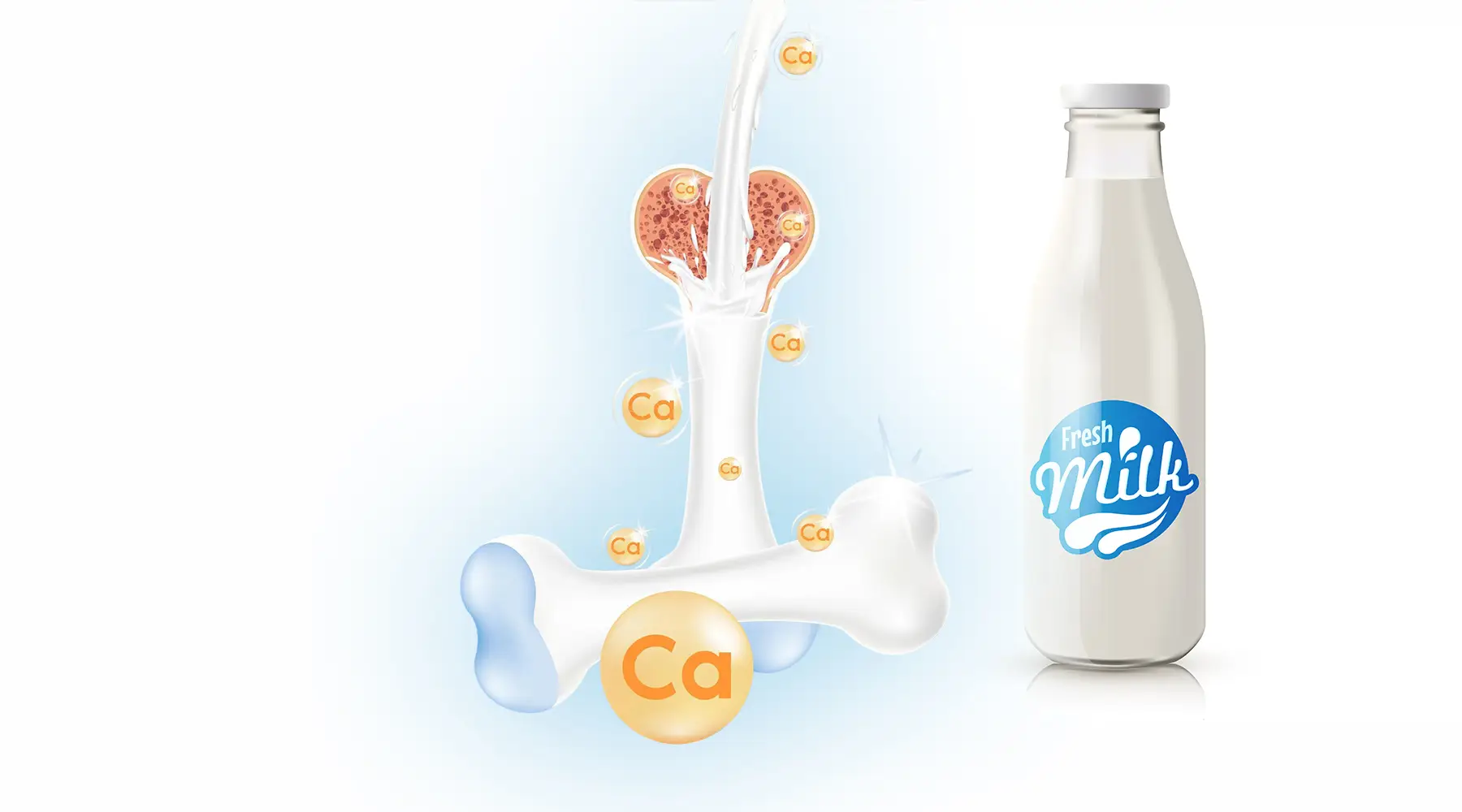
Under 40 years: 800 mg/day (≈ 3–4 glasses of milk)
Around menopause (~50 years): 1,000 mg/day (≈ 4–5 glasses of milk)
Pregnant women, over 60 years: 1,200 mg/day (≈ 6–7 glasses of milk)
👉 Women are at higher risk of bone fractures due to osteoporosis (30–40%), compared to men (10%).
👉 In the first 10 years after menopause, bones thin rapidly due to estrogen deficiency. Calcium supplementation is therefore crucial to improve bone density and prevent osteoporosis.