Nutrients for eye health

Share


Buy in


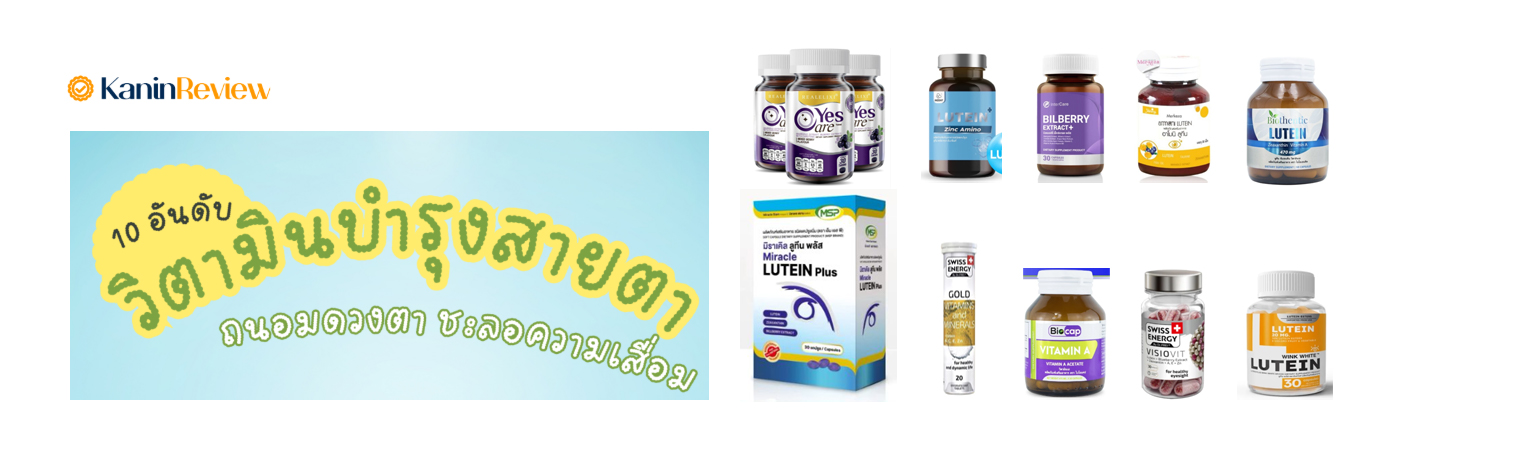
Eye-Nourishing Nutrients
Why are Lutein, Zeaxanthin, Bilberry Extract, and Beta-Carotene important for the eyes?
In today’s digital era, we spend many hours a day staring at screens. Our eyes are constantly exposed to blue light from smartphones and computers, which can lead to eye strain, dryness, or blurred vision. That’s why taking eye supplements is something worth considering.
1) Lutein
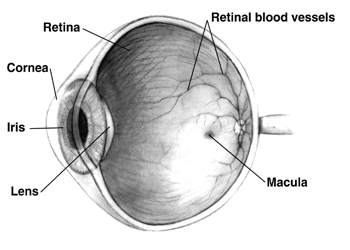
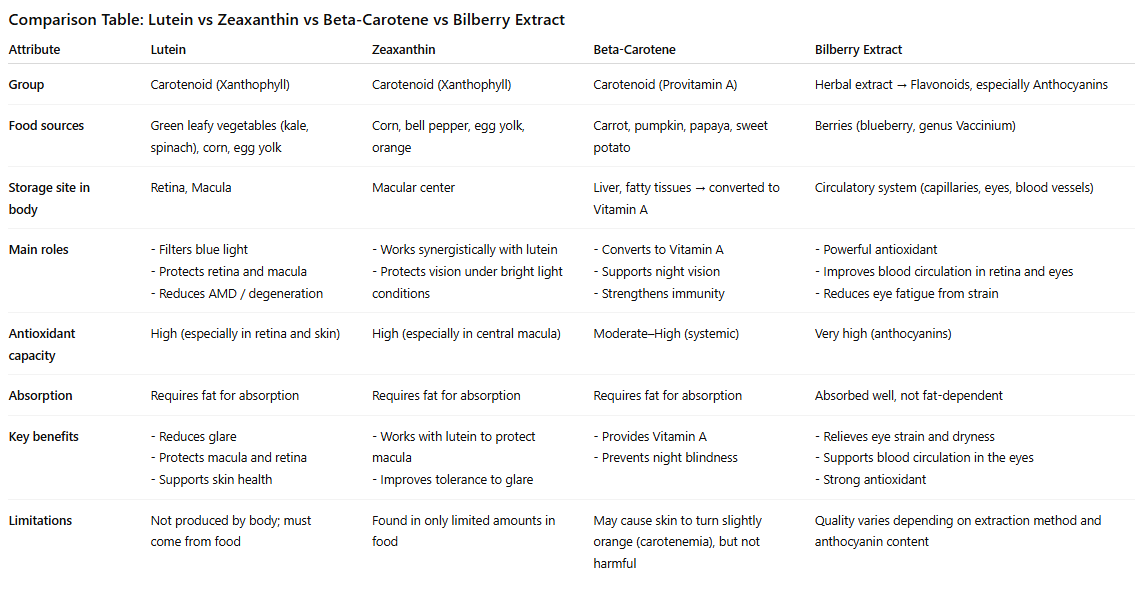
Lutein accumulates in the macula and retina.
Protects the macula, helps filter blue light.
Shields eye tissue from oxidative damage.
Lutein in the skin also supports skin health and UV resistance.
Works best when paired with zeaxanthin.
Recommended intake: 6–10 mg/day (average diet provides only ~1.7 mg/day).
If lutein levels in the macula are insufficient:
The pigment layer protecting the retina becomes thinner.
Greater sensitivity to blue light → eye fatigue or irritation when using screens.
Reduced contrast sensitivity and slower recovery from glare.
Long-term: In those with risk factors for macular degeneration, low lutein may accelerate progression.
2) Zeaxanthin
Also concentrated in the macula, alongside lutein.
Enhances sharp vision and tolerance to bright light.
Complements lutein with similar protective functions.
Better absorbed when consumed with healthy fats.
Recommended intake: 2–4 mg/day.
If zeaxanthin is insufficient:
Reduced ability to handle glare.
Slower visual recovery after bright light.
Greater eye fatigue during extended screen use.
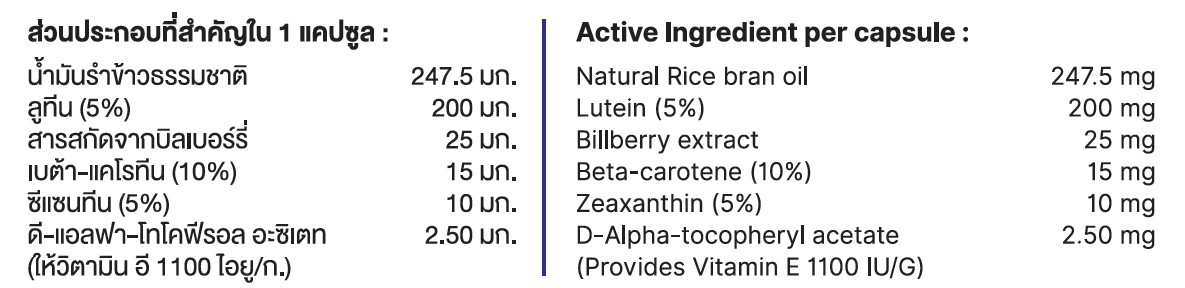
3) Bilberry Extract
Supports blood vessels supplying the eyes.
Helps relieve eye strain and dryness.
Rich in anthocyanins (powerful antioxidants).
Derived from berry fruits.
Recommended standardized extract: 80–160 mg/day.
If lacking bilberry extract benefits:
Miss out on antioxidant protection.
Less support for ocular blood circulation.
May experience easier fatigue during heavy visual tasks.
4) Beta-Carotene
Supports night vision and boosts immune function.
A pro-vitamin A, converted by the body into vitamin A.
Found in foods like carrots, pumpkin, and sweet potatoes.
If vitamin A is deficient:
Night blindness.
Dry, irritated eyes, reduced tear production, corneal and conjunctival damage in severe cases.
Dry skin and mucous membranes, higher infection risk, weakened immunity.
How to Take for Maximum Benefit
Take with meals, especially those containing healthy fats (better absorption).
Consistency matters: macular pigments build up slowly, so effects take time.
Combine with real foods: leafy greens, corn, egg yolks, carrots, pumpkins, sweet potatoes, and berries.
Practice eye care habits: 20-20-20 rule (every 20 minutes, look 20 feet away for 20 seconds) and adjust screen brightness properly.
Who Benefits Most?
Heavy screen users: office workers, frequent phone users, drivers at night, people exposed to glare.
Older adults or those wanting to protect their retina.
People who don’t consume enough dark-colored fruits and vegetables.
FAQs
Q: Will my eyesight improve immediately after taking them?
A: No, results are not instant. Supplements work gradually with consistent use and good eye care habits.
Q: If I already eat lots of fruits and vegetables, do I still need supplements?
A: Some people get enough from diet, but if you strain your eyes a lot or don’t eat enough daily, supplements may help—depending on your lifestyle and budget.
Q: When is the best time to take them?
A: With meals (especially those with healthy fats) for better absorption.
Important Precautions
Smokers or ex-smokers: Avoid beta-carotene supplements.
If you’re taking certain medications (e.g., anticoagulants) or have chronic eye/health conditions → consult your doctor first.
Supplements do not cure diseases and are not a substitute for regular eye check-ups and professional care.ะจอประสาทตาตามคำแนะนำของจักษุแพทย์