


Calcium Absorption Rates
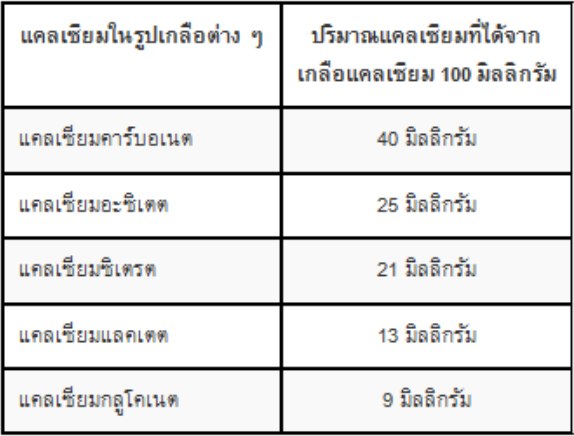
Calcium carbonate: 100 mg provides about 40 mg of absorbable calcium.
Calcium citrate (citete): 100 mg provides about 25 mg of absorbable calcium.
Calcium citrate (citrate): 100 mg provides about 21 mg of absorbable calcium.
Calcium lactate: 100 mg provides about 13 mg of absorbable calcium.
Calcium gluconate: 100 mg provides about 9 mg of absorbable calcium.
Therefore, when choosing calcium supplements, it's best to select products in tablet forms that are designed for high absorption, which allows the calcium to be better utilized by the body. The supplement should also contain vitamin D, as it plays an important role in enhancing calcium absorption and supporting bone health.
Recommended Daily Calcium Intake
The recommended amount of calcium your body needs varies by age group:
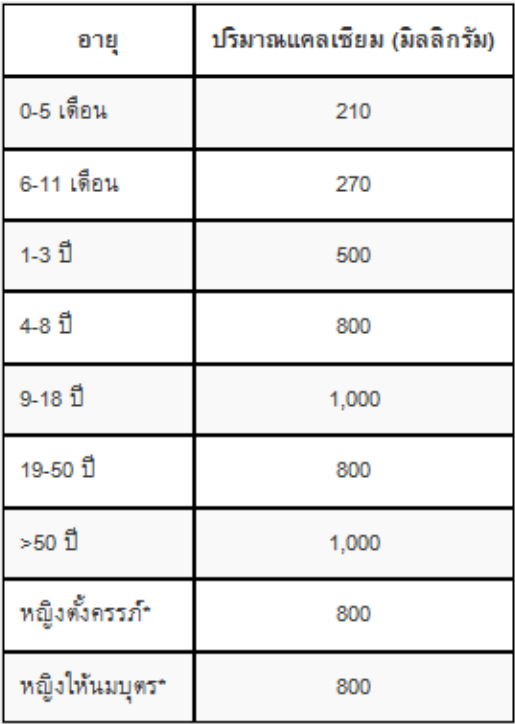
Under 40 years old: About 800 mg per day.
50 years and older: About 1,000 mg per day. (Note: There is likely a typo in the original saying “1,000 grams” — it should be milligrams.)
Pregnant women and adults over 60: Should receive between 800–1,200 mg per day.
Best Time to Take Calcium
It’s best to take calcium with dinner, because nighttime is when calcium tends to leach from bones the most. Taking calcium at this time helps maintain higher calcium levels in the body and prevents calcium loss from the bones, reducing the risk of bone thinning.
Alternatively, calcium can be taken after meals because the stomach becomes more acidic during digestion. The acidic environment helps calcium dissolve and absorb more efficiently.
Important Note
For safety and optimal results, you should consult a doctor, pharmacist, or healthcare professional before starting any calcium supplement regimen.