Articles

Zinc-Acne

Zinc-Acne

June 04, 2025

Zinc for Acne: Using Zinc for Skin Care and Acne Reduction    In an era where people are prioritizing health and beauty, achieving clear, blemish-free skin has become a significant goal for many. Acne is a skin problem that can occur at any age, especially in teenagers or adults with hormonal imbalances. There are various ways to treat acne, and one method that has gained significant recognition and discussion recently is the use of Zinc, a mineral with numerous benefits for reducing acne and nourishing the skin.    Zinc possesses properties that help reduce inflammation, which is a primary cause of acne. When skin becomes inflamed, acne can easily develop, particularly inflammatory and cystic acne. Zinc can help balance hormones in the body, which in turn reduces excessive oil production in the sebaceous glands. This leads to a decrease in acne problems caused by oil accumulation in the pores. Many studies have found that using zinc for acne treatment can help reduce the size of existing acne and prevent new breakouts. Zinc also aids in reducing skin inflammation, especially in individuals with inflammatory and cystic acne, who often experience redness, swelling, and pain. These problems can be alleviated by supplementing with zinc. Benefits of Zinc for Skin CareReduces Inflammation and Acne: Zinc has anti-inflammatory properties, which help reduce the redness and swelling of acne, and aid in faster healing.Balances Hormones: The use of zinc can help regulate the skin's oil production, which is one of the main causes of acne.Wound Healing: Zinc plays a crucial role in wound healing and skin regeneration from acne scars, helping the skin return to a smoother state.Boosts Immunity: Zinc also helps strengthen the body's immune system, which can prevent infections that might arise from acne on the skin.Zinc for Overall Skin HealthZinc not only helps treat acne but is also a beneficial mineral for overall skin health. Zinc helps rejuvenate the skin from damage caused by free radicals from pollution and sunlight. It helps reduce wrinkles and prevents skin deterioration, leading to a more youthful and radiant complexion.Choose Quality Zinc ProductsIf you are looking for high-quality zinc products, we recommend dietary supplements that contain Zinc Amino Acid Chelate 20%, along with Magnesium, Grape Seed Extract, Vitamin A, and Pyridoxine Hydrochloride (Vitamin B6). These ingredients will help address acne issues more effectively.

Astaxanthin for health

Astaxanthin for health

June 03, 2025

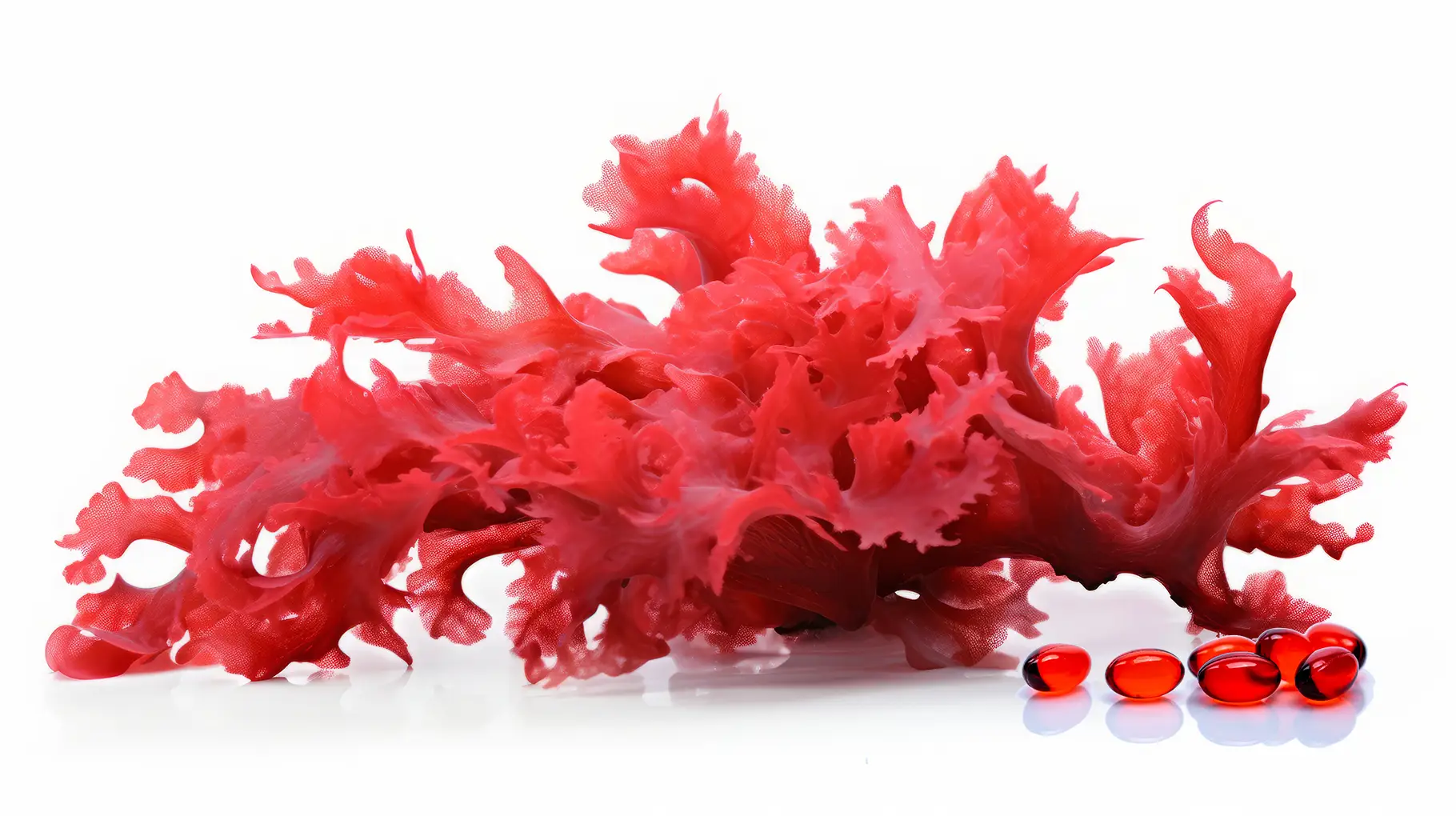
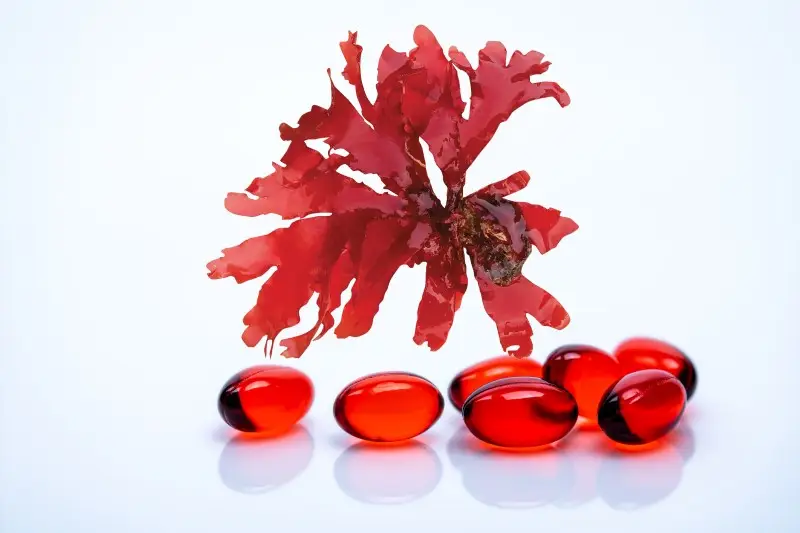
Astaxanthin: For Good Health From the Inside OutIn an era where people are paying more attention to their health, choosing quality dietary supplements has become an integral part of sustainable self-care. One of the most popular nutrients in the health world is "Astaxanthin," a natural extract with powerful antioxidant properties. It helps comprehensively care for skin, eyes, the cardiovascular system, and overall health.What is Astaxanthin?Astaxanthin is a red pigment categorized as a carotenoid, found abundantly in nature, especially in the algae Haematococcus pluvialis, which is its highest concentrated source. Astaxanthin gives salmon, shrimp, crabs, and some other marine animals their distinctive pink-orange color. It not only provides a striking color but also possesses outstanding health properties, earning it the moniker "King of Antioxidants."Health Benefits of AstaxanthinOne of Astaxanthin's most notable features is its exceptional antioxidant capacity, which is 6,000 times higher than Vitamin C and 550 times higher than Vitamin E. This means Astaxanthin can help slow down cell degeneration, reduce inflammation, and profoundly promote overall health.Eye Health: Many people who work long hours in front of computer screens or strain their eyes may experience eye fatigue or macular degeneration. Astaxanthin has properties that help reduce eye strain, prevent macular degeneration, and improve visual acuity, especially in low light conditions.Skin Rejuvenation and Nourishment: Astaxanthin can reduce wrinkles and dullness, and increase skin moisture from within. It helps boost collagen production and protects the skin from UV radiation and pollution, making it highly suitable for those who wish to maintain youthful-looking skin.Promotes Heart Health: The antioxidants in Astaxanthin help lower bad cholesterol (LDL) and increase good cholesterol (HDL). They also help lower blood pressure and reduce the risk of cardiovascular disease, making it beneficial for individuals at risk or those in middle to old age.Reduces Inflammation in the Body: Astaxanthin can help reduce chronic inflammation, which is the root cause of many chronic diseases such as arthritis, diabetes, and obesity. It does this by inhibiting enzymes that cause inflammation and restoring the balance of the immune system.Boosts Energy and Endurance: Athletes and regular exercisers may notice that Astaxanthin helps reduce post-exercise fatigue, increases muscle endurance, and aids in body recovery after strenuous exertion.Why Choose Astaxanthin from a Reputable Source?Natural Astaxanthin extracted from red algae is safer and more effective than lab-synthesized versions. Choosing to purchase from a standardized and certified manufacturer is crucial to ensure quality and results. You should look for 100% genuine Astaxanthin from Haematococcus algae, produced through modern, safe technology and certified by international institutions. Reputable providers should also offer advice for those interested in starting their health journey with reliable products.Proper Astaxanthin IntakeIt is recommended to take 4–12 milligrams of Astaxanthin daily, depending on individual needs. It should be taken with a small amount of fat-containing food to enhance absorption. Consistent daily intake is necessary to see clear results.

Evening Primrose

Evening Primrose

June 02, 2025

Evening Primrose Oil: Natural Nourishment for Skin and HealthEvening Primrose Oil (EPO) is a popular dietary supplement and health product among those who prioritize health and beauty. It offers numerous benefits for both skin care and internal well-being. EPO is extracted from the flowers of the evening primrose plant, which contains vital nutrients like Gamma-Linolenic Acid (GLA), essential for strengthening various bodily systems.What is Evening Primrose Oil?Evening Primrose Oil is extracted from the seeds of the evening primrose flower, a plant native to North America. This oil is rich in essential fatty acids that the body cannot produce on its own, known as Gamma-Linolenic Acid (GLA). GLA plays a crucial role in reducing inflammation and maintaining hormonal balance in the body. EPO has properties that help nourish the skin, reduce dry skin issues, and maintain skin moisture, as well as helping to alleviate various health problems like skin conditions and hormonal imbalances.Benefits of Evening Primrose OilEvening Primrose Oil offers a wide range of benefits that enhance both internal and external health, particularly in terms of skin care and addressing various health issues. This oil can help hydrate the skin and promote healthy skin from within.Nourishes Skin and Reduces Dryness: EPO has moisturizing properties that help increase skin hydration, reduce dryness, and make the skin look younger. The GLA in EPO helps protect the skin from moisture loss and enhances skin elasticity.Reduces Inflammation and Sensitive Skin: GLA also helps reduce inflammation and irritation on the skin, aiding in the treatment of inflammatory skin conditions such as acne or rashes. Furthermore, it helps smooth the skin and reduce dryness caused by environmental factors.Hair Nourishment: Using Evening Primrose Oil can help strengthen hair, reduce hair loss, and make hair look shiny. Regular consumption of EPO promotes hair growth and prevents hair breakage.Relieves Inflammatory Skin Conditions: EPO plays a role in treating inflamed skin conditions such as psoriasis or eczema by reducing skin inflammation and accelerating skin recovery.Helps Regulate Hormone Levels: Evening Primrose Oil helps balance hormones in the body, especially in women experiencing hormonal imbalances like premenstrual syndrome (PMS) or menopause. Taking EPO can help reduce symptoms caused by hormonal changes.Supports Respiratory Health: Evening Primrose Oil also has properties that can help support the respiratory system by reducing inflammation in the bronchial tubes and easing breathing difficulties in individuals with respiratory problems.How to Use and Consume Evening Primrose OilEvening Primrose Oil can be taken as a dietary supplement in the form of capsules or pure oil. Taking EPO in capsule form allows the body to absorb the key nutrients more effectively and is also convenient for consumption. Additionally, it can be applied topically to nourish the skin. Apply EPO to areas of the skin that need nourishment, such as the face, body, or areas with dry skin and acne scars, to increase moisture and reduce skin inflammation.Evening Primrose Oil in Cosmetics and SkincareBeyond its use as a dietary supplement, Evening Primrose Oil has properties that make it suitable for use in cosmetic products, whether in creams, serums, or moisturizers. EPO can help hydrate the skin and reduce environmental irritation. Using products containing Evening Primrose Oil will enhance skin elasticity and promote a youthful appearance. Facial skin will feel smoother, and scars or acne marks can be effectively reduced. Moreover, EPO nourishes the skin from within by reducing inflammation and restoring healthy skin.Evening Primrose Oil for Dry or Sensitive SkinFor those with dry or sensitive skin, Evening Primrose Oil is an excellent option for revitalizing skin affected by environmental conditions that lead to dryness and lack of moisture. Taking EPO will help boost skin hydration, making the skin soft and supple.

MCT Oil

MCT Oil

June 01, 2025

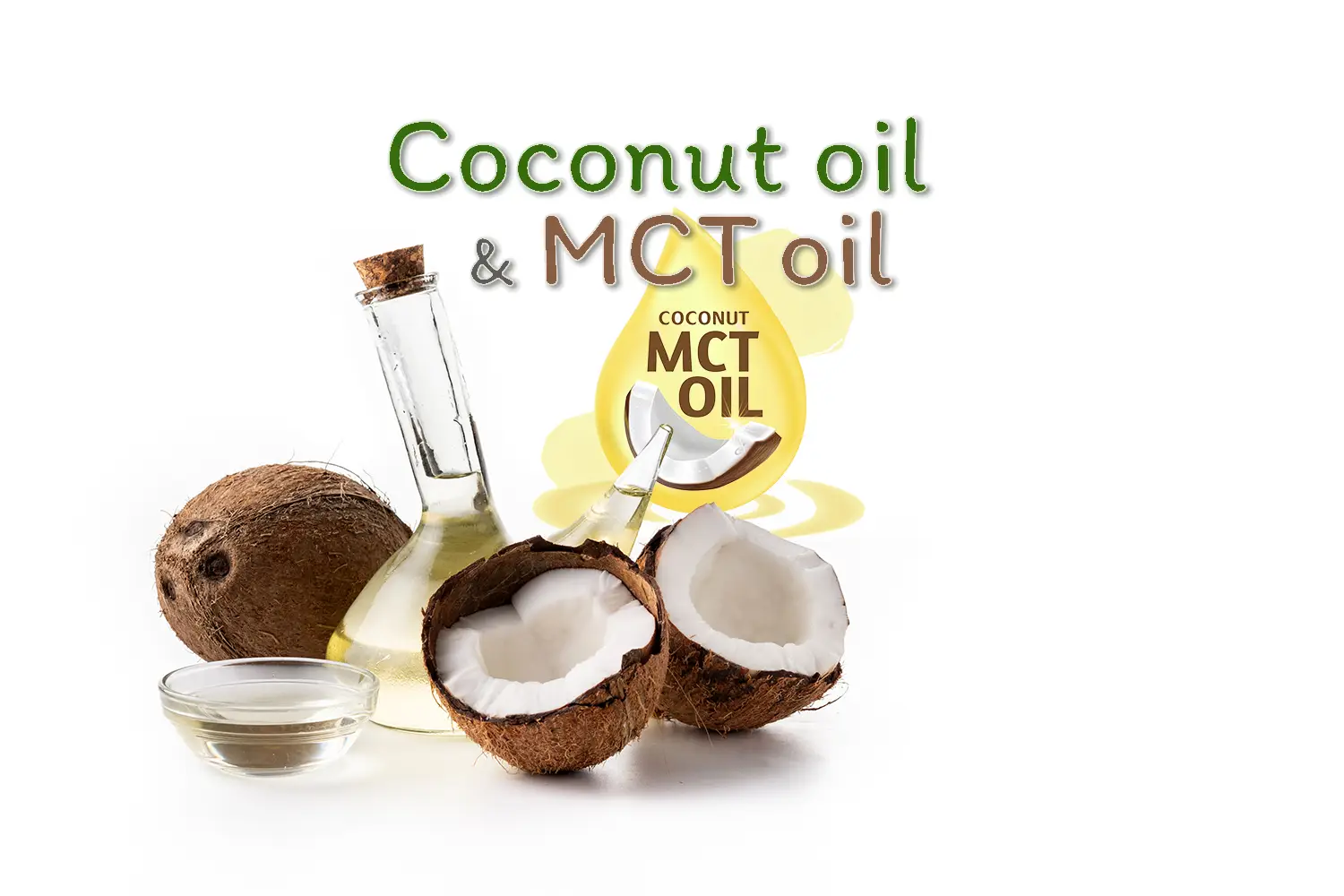
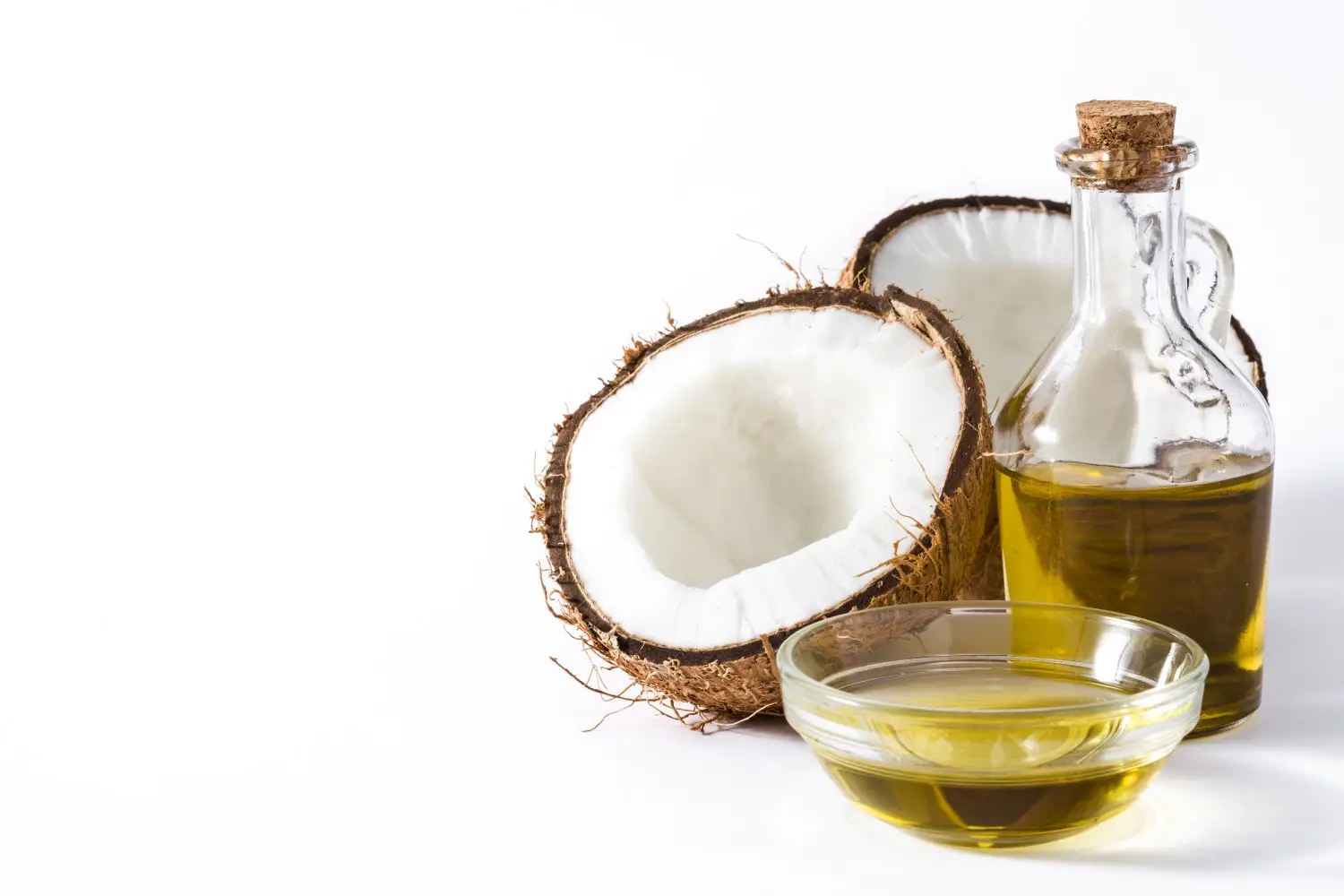
 MCT Oil: Boosting Energy and HealthIn an era where health is paramount in daily life, many are keenly interested in choosing highly nutritious products that benefit the body. One popular health product today is MCT Oil, or "Medium-Chain Triglyceride Oil," a natural oil with diverse benefits, widely recognized among health-conscious and active individuals. What is MCT Oil?MCT Oil is a type of fat commonly found in foods. It's extracted from coconut oil and palm oil, with coconut oil being a particularly rich source. This oil is rapidly absorbed by the body and can be used immediately as energy, without undergoing the complex digestive processes required by other fats. Benefits of MCT OilMCT Oil is popular among those looking to boost their energy and aid in weight loss. This type of oil offers numerous benefits for the body, including enhancing energy, improving exercise performance, and helping to control fat metabolism. It provides quick energy because the fatty acids in MCT are rapidly absorbed and converted into usable energy.Studies also show that MCT Oil helps increase the body's fat burning and supports healthy weight management. Consuming MCT Oil allows the body to efficiently draw energy from fat.Another significant benefit of MCT Oil is its role in brain health. MCT Oil can help boost brain energy, especially for those on weight loss journeys or ketogenic (Keto) diets, where the body often requires more energy from fats. MCT Oil ensures the brain receives necessary energy without relying on carbohydrates.Additionally, MCT Oil aids in digestion. The fatty acids in MCT Oil stimulate the digestive system and enhance nutrient absorption, enabling the body to fully utilize the benefits of food. Using MCT Oil in Daily LifeMCT Oil can be incorporated into daily life in various ways, whether in cooking, smoothies, or taken directly. You can mix MCT Oil with coffee for an energy boost and enhanced performance in the morning. Adding MCT Oil to your favorite beverage helps ensure you get the necessary energy to start your day.For those aiming for weight loss or management, using MCT Oil in your diet can increase the body's fat-burning capacity. It helps boost fat metabolism and reduces appetite, allowing for better portion control. Choosing Quality MCT OilIf you're seeking high-quality MCT Oil, we recommend Coconut Oil Plus MCT Oil. This product combines the properties of coconut oil and MCT Oil. It's extracted from pure coconut oil and boasts high purity. This oil contains MCT fatty acids that effectively boost energy, aid in weight loss, and support brain health.High-quality MCT Oil is an excellent choice for maintaining health and helping you achieve your weight loss and energy goals effectively. Key Features of Coconut Oil Plus MCT OilExtracted from pure coconut oilContains MCT fatty acids that boost energy and fat metabolismSupports brain health and enhances body function 

Astaxanthin for eyes and skin

Astaxanthin for eyes and skin

March 24, 2025

Astaxanthin    Do you want to have beautiful, radiant skin and good health from the inside out? "Astaxanthin" is known as the "Queen of Antioxidants" with numerous benefits. What is Astaxanthin?   Astaxanthin is a nutrient in the carotenoid group, a red-orange substance that is extremely effective as an antioxidant. This has made Astaxanthin a very popular dietary supplement that helps nourish the skin, brighten the complexion, reduce wrinkles, nourish the eyes, and slow down cell degeneration from various pollutants. In addition to Astaxanthin having a powerful and excellent antioxidant role, it has a stronger antioxidant capacity than:6,000 times more than regular Vitamin C 800 times more than Co Q10 550 times more than Vitamin E 550 times more than Green tea catechins 75 times more than Alpha lipoic acid (ALA) 40 times more than Beta-carotene 17 times more than Grape seed extract  Where does astaxanthin come from?The human body cannot produce astaxanthin on its own; it must be obtained from food. It is most commonly found in most marine animals, such as salmon, trout, krill, shrimp, crayfish, and crabs. However, the most abundant natural source is the small red microalgae (Haematococcus pluvialis).     Who is Astaxanthin for?The body should receive 4–12 mg of Astaxanthin per day (pobpad.com).Astaxanthin has a unique structure that is both water-soluble and fat-soluble. The fat-soluble form is better absorbed by the body and is often found in softgel capsules.Normally, a person should take at least 4 mg per day, and a higher dosage is needed with age. However, if you want to focus on a specific benefit:For skin care: 4–18 mg/day. A higher dose is needed as you get older and skin deterioration increases to ensure it is effective.For eye care: 4–9 mg/day. It can be taken along with Lutein and Zeaxanthin.For high pollution exposure, such as from PM 2.5: 8–12 mg/day. This applies to people who are exposed to sunlight, pollution, or who play sports or work outdoors, such as motorcycle riders. Benefits of AstaxanthinThis antioxidant has many important benefits, including:Reducing inflammation in the body and strengthening the immune system.Slowing down the degeneration of the body in various systems, including blood, joints, tendons, muscles, the retina, the brain, and the nervous system.Helping to prevent dry and tired eyes, reducing eye pain, reducing free radicals in the eyes, increasing blood flow to the eyes, and preventing and restoring macular degeneration, which is common in the elderly and diabetic patients. It also helps protect the eyes from ultraviolet radiation.Protecting skin structure from damage by sunlight and ultraviolet radiation, helping to tighten pores, reduce wrinkles, and restore moisture and youthfulness.Enhancing the function of neurotransmitter cells in the brain, improving memory and reducing forgetfulness.Lowering blood pressure, increasing blood flow in capillaries, and helping to maintain normal blood lipid levels.Helping to increase muscle strength and helping the body recover faster.Preventing heart disease by protecting against inflammation in the blood vessels, which medical professionals point to as a major cause of heart disease today.Helping to strengthen the immune system, especially for patients with autoimmune diseases, low immunity, and chronic viral infections.Helping to prevent kidney and blood vessel degeneration in diabetic patients. ReferencesAstaxanthin, the most powerful antioxidant found in nature จากบล็อก https://www.yamamotonutrition.com/int/blog/post/astaxanthin-the-most-powerful-antioxidant-found-in-nature-a1754 Haematococcus pluvialis - Wikipedia จาก https://en.wikipedia.org/wiki/Haematococcus_pluvialis แอสต้าแซนธิน จาก https://www.thpherbal.com/product/22814-25764/แอสต้าแซนธิน Astaxanthin (แอสตาแซนทิน) - พบแพทย์ (pobpad.com) จาก https://www.pobpad.com/astaxanthin

EVIDENCE-BASED HEALTH BENEFITS OF COCONUT OIL

EVIDENCE-BASED HEALTH BENEFITS OF COCONUT OIL

March 23, 2025

EVIDENCE-BASED HEALTH BENEFITS OF COCONUT OILCoconut is one of the world's most significant tree crops, providing food and shelter to millions of people in the tropical region. Virgin coconut oil was introduced to the world at the end of twentieth century. Because of its wide range of applications in medication, food, cosmetics, and hair care products, virgin coconut oil is gaining worldwide popularity. Various methods have been employed to extract the coconut oil, but whichever method have been used it is still the best to avoid oil that has been refined, bleached or deodourized. This is because the health benefits, flavor, and scent of coconut oil are lost when it goes through these processes [1].Cold extraction and hot extraction are the two most used conventional methods of oil extraction. Low yield of oil is a challenge for these two procedures, and the heating process in the hot extraction approach reduces the antioxidant properties of the oil. The cold extraction method separates coconut oil from coconut milk without using any heat to break the emulsion. This technique has several advantages, including lower production costs because it does not require solvents or refinement operations like deodorizing and bleaching. As a result, the required amount of energy is reduced, making this procedure more environmentally friendly. Furthermore, when the coconut oil is refined, phytonutrients and polyphenols within the oil will be lost [1].Coconut oil comprises 90-95% of saturated fatty acids. Unlike long-chain fatty acids found in plant-based oil, medium-chain fatty acids are smaller in size, allowing higher cell permeability for immediate energy conversion instead of being stored as fat. Medium-chain fatty acids can also be digested more easily than long-chain fatty acids present in plant-based oil [1].At temperatures of 30°C and above, coconut oil is a colorless liquid. At a temperature of 25°C, it will solidify. Coconut oil contains of mainly saturated triglycerides, with medium chain acid which is lauric and myristic predominating. The main fatty acids in triglycerides oils are caprylic (C8) and capric (C10), which are both classed as medium-chain fatty acids, although lauric acid (C12), the main fatty acid in coconut oil, can be classified as either medium-chain fatty acids or long-chain fatty acids. Because the majority (70–75%) of lauric acid is absorbed with chylomicrons, it behaves more like a long-chain fatty acid in terms of digestion, whereas 95% of medium-chain fatty acids are absorbed directly into the portal vein. Medium-chain fatty acids are weak electrolytes and are highly ionized at neutral pH which increases their solubility. This marks the difference in solubility that occurs at chain lengths of C:10 and less, which excludes lauric acid [1]. HEALTH BENEFIT OF COCONUT OILInsulin Resistance, Inflammation, and ObesityObesity is characterized by an accumulation of adipose tissue either subcutaneously (underneath the skin) or ectopically (in and around organs). Certain fatty acids are more likely to be stored in adipose tissue rather than burned for energy when consumed. This can be measured by the fatty acid oxidation rate after fatty acid ingestion. When compared to certain long-chain saturated fats, medium-chain saturated fatty acids (C6-C12), such as lauric acid found in coconut oil, have relatively high oxidation rates [2].The overall evidence in the literature suggests that medium-chain saturated fatty acids is less likely to promote insulin resistance, inflammation, and fat storage compared to long-chain saturated fatty acids (such as stearic acid found in large quantities in butter, but particularly palmitic acid found in palm oil). While it is well known that fatty acids enter muscle tissue in order to be oxidized for ATP production used for muscle contraction, it is less commonly known that medium-chain saturated fatty acids may be directed more towards oxidation than long-chain saturated fatty acids. Thus, long-chain saturated fatty acids are more likely to be stored in muscle versus medium-chain saturated fatty acids, especially on top of a diet high in refined carbohydrates. This is why long-chain saturated fatty acids may cause greater muscle insulin resistance via increased intramyocellular lipid accumulation. Moreover, long-chain saturated fatty acids, as compared to unsaturated fats, are more readily incorporated into diacylglycerol (DAG) versus triacylglycerol (TAG), which may enhance inflammation and insulin resistance [2].In eight weeks of daily supplementation with coconut oil, Oliveira-de-Lira et al.  observed a higher adjuvant effect on weight loss and %body fat, with an emphasis on the reduction of anthropometric parameters associated with abdominal adiposity. Their findings are consistent with those reported by Assunção et al. and Cardoso et al., who reported a reduction in waist circumference that was associated with a significant increase in high-density lipoprotein cholesterol (HDL-C) after coconut oil supplementation as compared to placebo oil (a source of long-chain fatty acids) supplementation in obese women. Their findings regarding the reduction in waist circumference and conicity index reinforce the potential effects of coconut oil in causing a decrease in abdominal adiposity [3]. Coconut Oil on Blood Lipids Extra virgin coconut oil has recently been promoted as a healthy oil. Despite being high in saturated fat, the principal saturated fatty acid, lauric acid (C12), has been suggested to have different metabolic and hence health effects compared with other saturated fatty acids such as palmitic acid (C16), predominant in butter, palm oil and animal fat. In particular, it has been suggested that coconut oil does not raise total cholesterol (TC) or low density lipoprotein cholesterol (LDL-C) as much as butter [4].For a variety of reasons, the results were unexpected. Coconut oil is predominantly saturated fat which is generally held to have an adverse effect on blood lipids by increasing blood LDL-C concentrations. However, the saturated fatty acids profiles of various dietary fats differ significantly; coconut oil is predominantly (around 48%) lauric acid (C12) compared with butter (66% saturated fat) which is about 40% palmitic acid (C16) and stearic acid (C18), suggesting that coconut oil may not have the same health effects as other saturated fat-rich foods. Nevertheless, though reviews on coconut oil and cardiovascular disease risk factors have concluded that the evidence of an association between coconut oil consumption and blood lipids or cardiovascular risk was mostly poor quality, trials have generally reported that coconut oil consumption raises LDL-C in comparison to polyunsaturated oil such as safflower oil, though not as much in comparison to butter [4].Despite inconsistent findings in the literature, women who took coconut oil supplements had no negative alterations in their lipid profile. On the contrary, they experienced beneficial effects, such as an increased HDL-C levels and decreased triglycerides /HDL-C ratio as compared to the long-chain fatty acids group [3]. In addition, Nevin and Rajamohan  found that virgin coconut oil reduced total cholesterol, triglycerides, phospholoipids, low density lipoprotein (LDL), very-low-density lipoprotein (VLDL), and increased high density lipoprotein (HDL)-cholesterol levels. In vitro, LDL oxidation was reported to be prevented by the polyphenol component of virgin coconut oil [5].Other BenefitsVisna virus, Cytomegalovirus (CMV), Epstein-Barr virus, Influenza virus, Leukemia virus, Pneumonovirus, and Hepatitis C virus are all lipid-coated viruses that coconut oil is very effective against. Coconut oil's medium chain saturated fatty acids destroy these organisms by disrupting their membranes and interfering virus assembly and maturation. Monoglycerides are active against these viruses, but diglycerides and triglycerides are inactive. Lauric acid has more antiviral action than caprylic, capric, or myristic acids among the saturated fatty acids [5].Several authors have found that cold pressed oil has antimicrobial activity against Gram-positive and Gram-negative bacteria in vitro, in situ, and in vivo. Coconut oil exhibits antibacterial activity against Gram-positive and Gram-negative bacteria, according to Nevin and Rajamohan. Additionally, coconut oil has been used as a feed additive owing to its beneficial applications and health benefits such as antioxidant and anti-inflammatory activities [6].El-Abasy et al. found that coconut supplementation played a role in enhancing immune parameters and health. Furthermore, enhanced lysozyme activity with supplementation of coconut oil may indicate improved immunity in rabbits. More than 90% of the fatty acids in coconut oil are saturated and just less than 10% are unsaturated. Saturated fatty acids in coconut oil have been found to significantly enhance the innate immune responses [6].

THE ROLE OF CALCIUM AND VITAMIN D

THE ROLE OF CALCIUM AND VITAMIN D

March 22, 2025

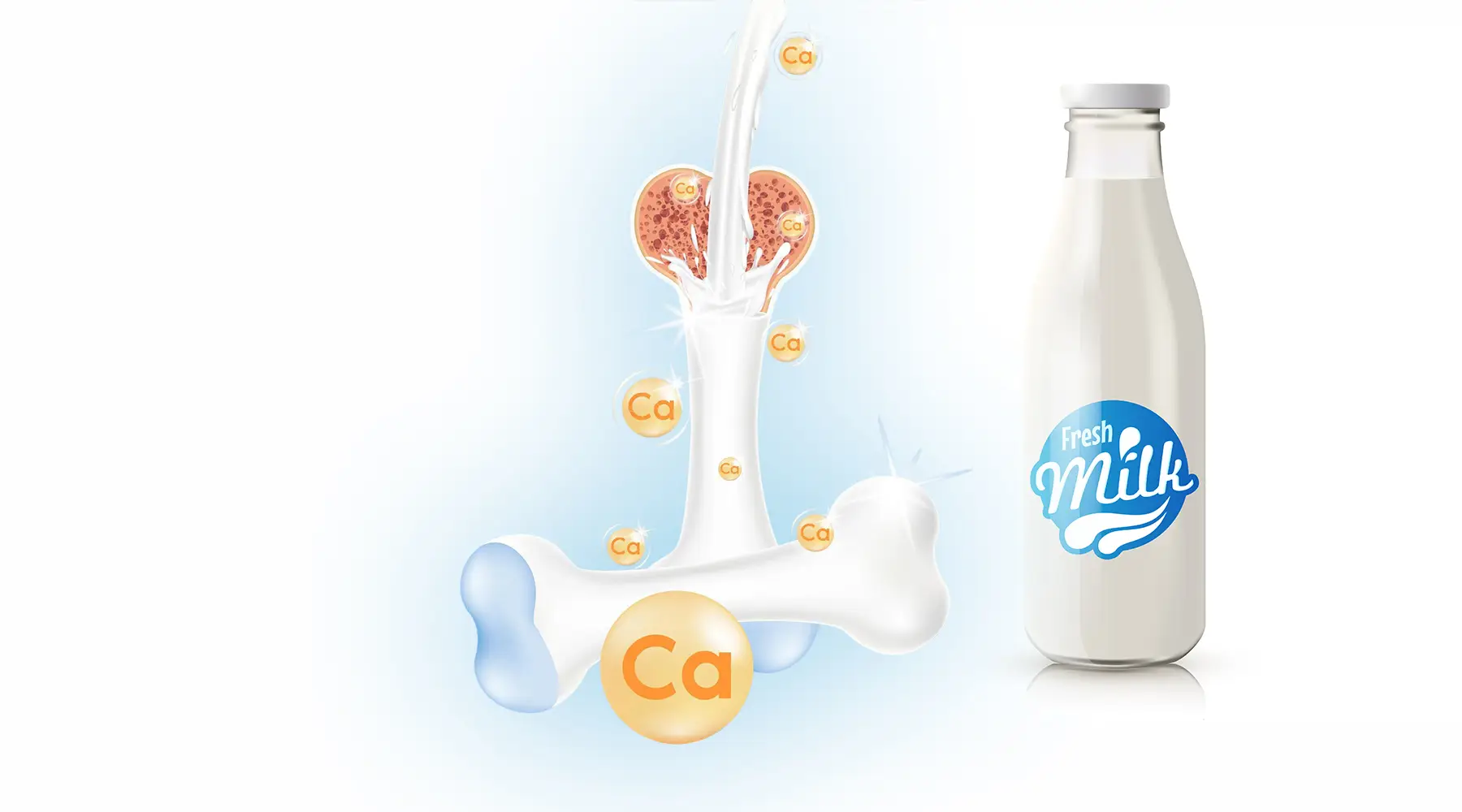
THE ROLE OF CALCIUM AND VITAMIN DCalciumCalcium is the most abundant mineral in the body. Approximately 1.2 kg (equivalent to about 300 mmol) is contained within the human body, with 99% of this calcium being located within the bones and teeth. Calcium is also located in body fluids and soft tissues. It has two key roles: (1) supporting structural integrity; (2) regulating metabolic function. Cellular structure, intercellular and intracellular metabolism, signaling, heart muscle contractions, nerve function, enzyme activity, and normal blood clotting are all dependent on calcium. There is no functional marker of calcium status, since its role in normal blood clotting takes priority and hence plasma calcium is maintained within very narrow limits [1].The jejunum, ileum, and colon are the primary sites for calcium absorption. Uptake occurs by active transport and simple passive diffusion. Active transport is more prevalent when calcium intake is low, but when intake rises, more calcium is absorbed through non-specific routes. The metabolite of vitamin D (1,25-dihydroxycholecalciferol) stimulates calcium transport across the intestinal cells by inducing the production of a calcium-binding protein. This process occurs within the villus cells through the normal process of receptor binding, DNA interaction and messenger RNA production. Hence, vitamin D is critical for effective calcium absorption [1]. Vitamin D Vitamin D refers to vitamin D2 (ergocalciferol) or vitamin D3 (cholecalciferol). Ergocalciferol is produced from irradiated fungi or yeast. Cholecalciferol is produced in skin or found naturally in fatty fish such as salmon or mackerel. Although food can be fortified with both types of vitamin D, only cholecalciferol can be produced endogenously in skin. 7-dehydrocholesterol, a substance found in the skin, is converted into previtamin D3, which isomerizes to form vitamin D3, when exposed to ultraviolet B (UVB) radiation between the wavelengths of 290 and 315 nm. The amount of vitamin D3 made in the skin can be affected by an individual's skin color, age, and use of sunscreen products, as well as the time of day, season, and latitude [2]. Once vitamin D is made in the skin (D3) or obtained in the diet (D2 or D3), it enters the circulation bound to vitamin D–binding protein. The main form of vitamin D that circulates in the body is 25-hydroxyvitamin D (25(OH)D), which is created in the liver by the hydroxylation of vitamins D2 and D3 complex. The best marker for determining vitamin D level is 25(OH)D, which reflects both endogenous and exogenous sources. To generate the physiologically active form of vitamin D, 25(OH)D undergoes hydroxylation by the 1α-hydroxylase enzyme in the kidneys to produce 1,25-dihydroxyvitamin D (1,25(OH)2D; calcitriol). 1,25(OH)2D circulates bound to vitamin D–binding protein, enters the target cell, and binds to the vitamin D receptor (VDR) in the cytoplasm, which then enters the nucleus and heterodimerizes with the retinoic acid X receptor to increase transcription of vitamin D–dependent genes important for bone metabolism, calcium absorption, and other nonclassical functions (e.g., inhibition of genes important in cancer growth) [2, 3]. The Advantage of Calcium and Vitamin DOsteoporosisOsteoporosis is defined as a metabolic bone disease characterized by low bone mass and microarchitectural deterioration of bone tissue, leading to enhanced bone fragility and a consequent increase in fracture risk. According to estimates, three million people worldwide, roughly one in three women and one in twelve men aged > 50 years, will have osteoporosis at some point in their lives [1].Bone is a living tissue. Active bone formation (through the activity of osteocytes and osteoblasts) and bone resorption (involving osteoclasts) occur continuously. Osteoclasts are attracted to a quiescent bone surface and then excavate an erosion cavity. Mononuclear cells smooth off the erosion cavity, which is a subsequent site for the attraction of osteoblasts that synthesize an osteoid matrix. Continuous new bone matrix synthesis is followed by calcification of the newly-formed bone. When complete, lining cells once more overlie the trabecular surface [1]. It is well known that vitamin D promotes calcium absorption in the gut and kidney and helps to maintain adequate serum calcium concentrations to enable normal mineralization of the bone. Osteoblasts and osteoclasts need vitamin D to develop bones and repair them [4]. Bone matrix formation and bone maturation are stimulated by vitamin D. Additionally, it enhances osteoclastic activity and some evidence points to the possibility that it may influence differentiation of bone cell precursors [1]. Although vitamin D is utilized to enhance bone health, there is currently limited and conflicting evidence that vitamin D supplements alone have an impact on fracture outcomes. Thus, calcium and vitamin D work together synergistically on the bone [4]. Skeletal Benefits  Several randomized, placebo-controlled trials in both institutionalized and ambulatory elderly subjects have been shown that vitamin D with or without calcium reduced the incidence of hip and/or nonvertebral fractures by 20% to 30%. According to meta-analysis, taking vitamin D supplements along with calcium considerably lowers the risk of hip fractures (by 18%) and other nonvertebral fractures (by 12%). The majority of studies used at least 800 IU of vitamin D and the minimum 25(OH)D level of 29.7 ng/mL (74 nmol/L) was found to be effective in preventing fractures, suggesting a threshold for optimal vitamin D status [2].The Role in Cancer  There is a strong biological rationale for the association between a vitamin D deficiency and an elevated risk of cancer, as well as for the use of vitamin D or its bioactive analogues in the prevention and treatment of cancer. VDR is expressed in most cancerous tissues; in vitro cell culture studies and in vivo animal studies demonstrate that 1,25(OH)2D inhibits cell proliferation, angiogenesis, invasion and promotes differentiation and apoptosis. In cancer cells, 1,25(OH)2D/VDR stimulates TGF-β activity, activates cyclin-dependent kinase inhibitors (e.g., p21, p27), and inhibits mitogenic growth factors including IGF-1 and EGF, thus inhibiting cell proliferation and cancer growth. 1,25(OH)2D/VDR signaling has the capacity to downregulate cyclooxygenase-2, prostaglandin, and NF-kB pathways, which prevents inflammation associated with tumors. It can also suppress antiapoptotic proteins (e.g., Bcl2) and to activate proapoptotic proteins (e.g., Bax, RAK). Acting together, all these can suppress cancer growth [5].Oral HealthIt indicates that 1,25(OH)2D/VDR plays a role in maintaining the homeostasis of oral epithelium and of oral immunity. Oral keratinocytes contain VDR, which has a ligand-independent role in limiting keratinocyte proliferation. 1,25(OH)2D/VDR signaling has an even stronger inhibitory effect on keratinocytes proliferation. Studies conducted in vitro and in vivo demonstrate that vitamin D deficiency causes oral keratinocyte proliferation to increase but without any morphological or histological alterations [5].The anti-inflammatory, antimicrobial, and immunomodulating effects of the 1,25(OH)2D/VDR pathway most probably play roles in maintaining the homeostasis of oral tissues in general, thus providing some protection against the development of bacterial plaque-induced periodontal diseases. There is evidence that vitamin D deficiency or VDR polymorphism are associated with increased risk of chronic periodontitis. Therefore, administering biologically active vitamin D may be a useful addition to the standard treatment for chronic periodontitis [5].MenopauseIn post-menopausal women, estrogen loss affects calcium homeostasis in a variety of ways, including increasing bone resorption, reducing calcium absorption and increasing in urinary calcium loss. Ovariectomy does not reduce serum 1,25(OH)2D levels in rats, despite the fact that low estrogen levels seen in post-menopausal women are associated with reduced serum levels of 1,25(OH)2D. On the other hand, oophorectomy decreased 1,25(OH)2D-induced intestinal calcium absorption in young women and this was restored by estrogen repletion. Although the loss of tissue VDR levels following estrogen loss is not observed in all studies, other findings imply that the effect of estrogen loss on the intestine responsiveness to 1,25(OH)2D is caused by reduced VDR levels [6].High intakes of calcium and vitamin D have been found to be modestly associated with lower risk of early menopause. Contrarily, supplemental calcium intake was positively related with early menopause but supplemental vitamin D intake was not [7]. Side EffectsCalciumCalcium supplement users are aware of their propensity to cause gastrointestinal upset, particularly constipation. The latter can be a serious concern for frail elderly, who are already prone to this issue. There is evidence that calcium supplements increase the risk of myocardial infarction and, possibly, stroke. Studies on nephrology patients who were given calcium to bind phosphate also show an increase in mortality. As previously mentioned, calcium supplementation acutely elevates serum calcium concentration and higher serum calcium levels have been associated in cohort studies with increased risk of myocardial infarction, stroke, and mortality [8].Vitamin DMost studies of vitamin D supplements have used doses of 400–1000 IU/day. These doses have not been associated with evidence of adverse effects, and it is generally held that doses up to 2000 IU/day are safe. However, trials have shown that vitamin D 4000 IU/day, 60,000 IU/month, or 300,000–500,000 IU/year increase the risk of falls and/or fractures, and a recent 3-year study found that 4000 IU/day and 10,000 IU/day both accelerate bone loss. Use of these large doses is not justified because the threshold for vitamin D's advantages on bones is fulfilled with doses of 400–1000 IU/day. Supplemental doses above 2000 IU/day should only be used under strict control and in unusual cases [8]. ReferencesLanham-New S. Importance of calcium, vitamin D and vitamin K for osteoporosis prevention and treatment. Proceedings of the Nutrition Society. 2008 [cited 2022 November 30]; 67: 163-76. Available form: https://www.cambridge.org/core/journals/proceedings-of-the-nutrition-society/article/importance-of-calcium-vitamin-d-and-vitamin-k-for-osteoporosis-prevention-and-treatment/C30A29EDA3064CC8313079BAF4C486C6Khazai N, Judd S, Tangpricha V. Calcium and vitamin D: skeletal and extraskeletal health. Current Rheumatology Reports. 2008 [cited 2022 November 30]; 10: 1-13. Available form: https://www.ncbi.nlm.nih.gov/pmc/articles/PMC2669834/Heravi A, Michos E. Vitamin D and Calcium Supplements: Helpful, Harmful, or Neutral for Cardiovascular Risk? Methodist Debakey Cardiovascular Journal. 2019 [cited 2022 November 30]; 15: 207-13. Available form: https://www.ncbi.nlm.nih.gov/pmc/articles/PMC6822648/Weaver C, Alexander D, Boushey C, Dawson-Hughes B, Lappe J, LeBoff M, et al. Calcium plus vitamin D supplementation and risk of fractures: an updated meta-analysis from the National Osteoporosis Foundation. Osteoporosis International. 2016 [cited 2022 November 29]; 27: 367-76. Available form: https://link.springer.com/article/10.1007/s00198-015-3386-5Khammissa R, Fourie J, Motswaledi M, Ballyram R, Lemmer J, Feller L. The Biological Activities of Vitamin D and Its Receptor in Relation to Calcium and Bone Homeostasis, Cancer, Immune and Cardiovascular Systems, Skin Biology, and Oral Health. BioMed Research International. 2018 [cited 2022 November 30]; 2018: 1-10. Available form: https://www.hindawi.com/journals/bmri/2018/9276380/Fleet J. The role of vitamin D in the endocrinology controlling calcium homeostasis. Molecular and Cellular Endocrinology. 2017 [cited 2022 November 30]; 453: 1-24. Available form: https://www.ncbi.nlm.nih.gov/pmc/articles/PMC5529228/Purdue-Smithe A, Whitcomb B, Szegda K, Boutot M, Manson J, Hankinson S, et al. Vitamin D and calcium intake and risk of early menopause. The American Journal of Clinical Nutrition. 2017 [cited 2022 November 30]; 105: 1493-1501. Available form: https://academic.oup.com/ajcn/article/105/6/1493/4633994?login=falseReid I, Bolland M. Calcium and/or Vitamin D Supplementation for the Prevention of Fragility Fractures: Who Needs It? Nutrients. 2020 [cited 2022 November 30]; 12: 1-9. Available form: https://www.mdpi.com/2072-6643/12/4/1011
Can Lutein Benefit Your Eye Health?

Can Lutein Benefit Your Eye Health?

March 21, 2025

Can Lutein Benefit Your Eye Health? Lutein and its isomer zeaxanthin commonly found in nature, is a lipophilic pigment belonging to the xanthophyll family of dietary carotenoids [1]. Carotenoids can be divided into carotenes, e.g., α-carotene, β-carotene, lycopene, torulene, isorenieratene, and their oxygen derivatives, xanthophylls, containing oxygen in the molecule in the form of hydroxyl, epoxy, or carbonyl groups, e.g., lutein, zeaxanthin, canthaxanthin, astaxanthin, and echinaxanthin. Xanthophylls are more polar molecules than carotenoids because they have hydroxyl groups in the carbon ring of the molecule, which allows them to absorb light with shorter wavelengths. Xanthophylls are abundant in nature, with a group of compounds showing both chemical and physicochemical similarity [2]. The most prevalent isomer in the tissues that are involved in vision (the eye and brain) is lutein. Except for the vitreous, cornea, and sclera, almost all of the human ocular structures contain lutein, zeaxanthin, and metabolites. The highest concentration of lutein and zeaxanthin in the eye is in the macula of the retina [3]. One of the most prevalent carotenoids in the human diet, lutein is frequently consumed along with zeaxanthin. Approximately 20% of all carotenoids are composed of lutein and zeaxanthin together. The richest food sources of lutein are all dark green leafy vegetables, especially kale, spinach, lettuce, and broccoli. Vegetables are a better source of these xanthophylls than fruits. The highest amount among fruits is found in nectarines, blackberries, avocados, raspberries, gooseberries, kiwi fruits, and black currants [1, 2].Relation to DiseasesAge-related Macular Degeneration (AMD)Strong evidence suggests that lutein and zeaxanthin protect against the development of Age-related Macular Degeneration (AMD), the cause of blindness in persons over 40 years of age in the United States. AMD is a condition that causes progressive vision loss and develops as a result of a complex interplay of environmental, multiple dietary and genetic factors that affect oxidative stress, inflammation, and light damage [3].There is an abundance of oxygen in the retina of the human eye. Long-chain polyunsaturated fatty acids in the retina are reduced by prolonged or repetitive exposure to light, which also causes an increase in lipid-conjugated dienes, selective photoreceptor degradation, and retinal damage. Reactive oxygen species (ROS), produced by oxidative stress and including free radicals, hydrogen peroxide, and singlet oxygen, cause cellular damage, promote the aging process in the retina, and eventually lead to the progression of AMD. For quenching these ROS and protecting retina from AMD, a particular transmembrane orientation of macular xanthophylls has been proposed. Macular xanthophylls located transversely in the lipid bi-layer of the retinal membrane are able to prevent AMD and protect the retina against peroxidation and photo-damage by acting as antioxidants that quench free radicals and ROS. Additionally, they significantly prevent blue light exposure to the photoreceptors in the fovea [4]. In addition to retinal effects, supplementation with lutein has been demonstrated to lower circulating levels of a rate-limiting enzyme of the alternative complement activation pathway that may play an important role in inflammatory response and the development of AMD [3]. Diabetic Retinopathy (DR)A third of people with diabetes are affected by Diabetic Retinopathy (DR), one of the most prevalent microvascular consequences of diabetes [5]. Diabetes causes alterations in the retina's metabolism, structure, and function because of the high glucose levels that weaken the electron transport chain system, produce superoxide, damage mitochondrial DNA, and reduce the amount of proteins that are encoded by the mitochondrial DNA [4].Carotenoids, tocopherol, and ascorbate are antioxidants that protect against ocular oxidative damage. Carotenoids have the ability to neutralize free radicals, scavenge reactive oxygen species, regulate gene expression, reduce inflammation, and prevent diabetes-related microvascular complications, including diabetic retinopathy, nephropathy, and neuropathy. Due to its potent anti-inflammatory and antioxidant properties, macular pigment (MP), which includes lutein, zeaxanthin, and mesozeaxanthin, also contributes to the protection of the retinal tissue in diabetics. It has been established that patients with type 2 diabetes have a lower level of MP as compared to healthy controls. Supplemental lutein has been shown to protect the retina against oxidative damage [4]. The protective effects of carotenoids on visual function in the diabetic state were demonstrated in a retrospective study of type 2 diabetic patients, which found that supplementing with lutein and zeaxanthin can improve retinal thickness and function as measured by optical coherence tomography (OCT) and multifocal electroretinography (mfERG) [5]. CataractCataract is one of the most common age-related eye diseases. It is thought to affect 95 million people worldwide and is a major factor in about 90% of blindness in developed countries. It is characterized by the clouding or opacification of the lens, which reduces the amount of light passing through to reach the retina and causes vision to become blurry. Although there are several contributing factors to cataracts, aging is thought to be the most common risk factor [5].The lens, which is located in the front of the eye, is constantly exposed to oxidative stress from sources including UV light. A number of antioxidant defense systems including antioxidant enzymes such as superoxide dismutase and antioxidants are utilized in the lens to protect against oxidative stress-mediated damages [5]. For many years, antioxidant properties of carotenoids have been understood. In a pioneering study, Kellogg III and Fridovich discovered that β-carotene significantly inhibits lipid peroxidation caused by xanthine oxidase. Chemical antioxidants like α-tocopherol, β-carotene, ascorbate, and glutathione (GSH) are implicated in preventing oxidative damage of the ocular tissues. According to some theories, the antioxidants lutein and zeaxanthin are continually transported from the body pool to the epithelial/cortical layer of the lens, where they scavenge ROS by enhancing the activities of GSH, catalase, and superoxide dismutase (SOD). Gao et al. (2011) reported that lutein and zeaxanthin could reduce the risk for senile cataract by protecting lens protein, lipid, and DNA from oxidative damage [4]. Dry Eye Syndrome (DES)Dry Eye Syndrome (DES) is a multifactorial disease of the tear film and ocular surface of the eye that causes decreased tear production, discomfort-related symptoms, and visual disturbances, as well as the possibility of ocular surface injury. The prevalence of various DES symptoms has increased further as a result of increased usage of light-emitting diode displays, including those found in computers, flashlights, and cell phones.The pathophysiology of DES includes loss of tear film, tear hyperosmolarity, oxidative stress, and inflammation of ocular surface that result in a vicious cycle of ocular surface damage and inflammation. Patients with dry eyes have higher levels of inflammation in their tears, which is mediated by pro-inflammatory cytokines like tumor necrosis factor-alpha (TNF-α), interleukin (IL)-6, and IL-8. The secretion of lacrimal glands is weakened as a result of these cytokines' inhibition of neurotransmitter release and the activity of sensory nerves on the ocular surface. The macula of the eye contains high concentrations of the xanthophyll carotenoids lutein and zeaxanthin, which absorb high-energy blue light and shield the retina from phototoxicity. These substances also function as antioxidants and scavenge free radicals. Moreover, it is known that lutein and zeaxanthin inhibit inflammatory pathways including lipopolysaccharide-induced secretion of IL-8 and hyper-osmotically induced secretion of IL-6 in corneal epithelial cells [6].   Extra-Eye Action: Cognitive Function Macular Pigment Optical Density (MPOD), considered a stable measure of lutein and zeaxanthin in neural tissues, has been associated with better global cognition, verbal learning and fluency, and processing and perceptual speed in healthy young and old people. Plasma or retinal levels of lutein and zeaxanthin have been linked to improved brain activity, white matter integrity, and neural efficiency. Interventional studies also provide support that taking supplements of lutein and/or zeaxanthin may improve cognitive function and help maintain cognitive health. The effect of lutein and zeaxanthin consumption (supplementation or dietary intervention) on cognitive functioning in healthy young and more mature adults has been studied in 13 randomized, double-blind, controlled interventional trials to date [1]. It has been found through the use of functional magnetic resonance imaging that lutein may improve cerebral perfusion or neural efficiency in older adults, and two studies have shown a relationship between MPOD and some aspects of cognitive function, such as prospective memory or verbal fluency and processing speed [7]. SafetyLutein is a very safe molecule that has been consumed in the diet at various doses for a very long time. In several toxicity studies, including developmental toxicity and dermal irritation, no adverse effects were documented in animals, including monkeys or humans [1]. While there is a lack of conclusive information on the optimal lutein supplementation dosage, numerous studies have found that lutein has a reasonably high safety profile, and the US Food and Drug Administration (FDA) has classified it as Generally Regarded as Safe (GRAS) [5].Excessive lutein consumption appears to have mild and rarely reported side effects. There is one case study reporting bilateral "foveal sparkle" in an elderly Asian woman who consumed a daily 20 mg lutein dose, which resulted in an extraordinarily high lutein level, and a high intake of dietary lutein (broccoli, kale, spinach, and avocado smoothie every morning) for a duration of 8 years. Seven months after stopping the lutein, crystals in the inner layers of the foveal region of her right eye gradually dissolved, but the crystal in her left eye persisted [5]. ReferencesGazzolo D, Picone S, Gaiero A, Bellettato M, Montrone G, Riccobene F, et al. Early Pediatric Benefit of Lutein for Maturing Eyes and Brain-An Overview. Nutrients. 2021 [cited 2023July 17]; 13: 1-26. Available form: https://www.ncbi.nlm.nih.gov/pmc/articles/PMC8468336/Mrowicka M, Mrowicki J, Kucharska E, Majsterek I. Lutein and Zeaxanthin and Their Roles in Age-Related Macular Degeneration-Neurodegenerative Disease. Nutrients. 2022 [cited 2023 July 17]; 14: 1-14. Available form: https://www.ncbi.nlm.nih.gov/pmc/articles/PMC8874683/Mares J. Lutein and Zeaxanthin Isomers in Eye Health and Disease. Annu Rev Nutr. 2016 [cited 2023 July 17]; 36: 571-602. Available form: https://www.ncbi.nlm.nih.gov/pmc/articles/PMC5611842/Johra F, Bepari A, Bristy A, Reza H. A Mechanistic Review of β-Carotene, Lutein, and Zeaxanthin in Eye Health and Disease. Antioxidants (Basel). 2020 [cited 2023 July 19]; 9: 1-21. Available form: https://www.ncbi.nlm.nih.gov/pmc/articles/PMC7692753/Li LH, Lee JC, Leung HH, Lam WC, Fu Z, Lo ACY. Lutein Supplementation for Eye Diseases. Nutrients. 2020 [cited 2023 July 19]; 12: 1-27. Available form: https://www.ncbi.nlm.nih.gov/pmc/articles/PMC7352796/Muz O, Orhan C, Erten F, Tuzcu M, Ozercan I, Singh P, et al. A Novel Integrated Active Herbal Formulation Ameliorates Dry Eye Syndrome by Inhibiting Inflammation and Oxidative Stress and Enhancing Glycosylated Phosphoproteins in Rats. Pharmaceuticals (Basel). 2020 [cited 2023 July 19]; 13: 1-18. Available form: https://www.ncbi.nlm.nih.gov/pmc/articles/PMC7599565/Buscemi S, Corleo D, Di Pace F, Petroni ML, Satriano A, Marchesini G. The Effect of Lutein on Eye and Extra-Eye Health. Nutrients. 2018 [cited 2023 July 19]; 10: 1-24. Available form: https://www.ncbi.nlm.nih.gov/pmc/articles/PMC6164534/

Sesame Oil: Is It Good for You?

Sesame Oil: Is It Good for You?

March 19, 2025

Sesame Oil: Is It Good for You?Sesame (Sesamum indicum L.) is one of the earliest human production and consumption oil crops in the family of Pedaliaceae, rape, soybean, and peanuts, known as China’s four major oil crops. Due to its highly aromatic odor and mellow flavor, sesame is extensively produced and well-liked. Sesame can be divided into three categories based on the color of the germplasm: white sesame, black sesame, and yellow sesame. Black and white sesame are the most prevalent and widely grown dominant species. Black sesame has strong growth ability, lodging resistance, and drought resistance, whereas white sesame has high oil content and good quality and has the largest planting area and distribution [1].Fat, protein, vitamins, minerals, and dietary fiber are all abundant in sesame seeds. Unsaturated fatty acids, fat-soluble vitamins, amino acids, and other nutrients are abundant in sesame oil, which is obtained through traditional oil production methods. Studies have found that sesame seeds contain 21.9% protein and 61.7% fat, and are rich in minerals. In addition to being rich in nutrients, sesame also contains many important functional components such as sesamin, sesamolin, sesamol, sesaminol, sesamolin phenol, and other lignan-like active ingredients. Each component of sesame has a different content depending on the extraction method and external growing conditions, e.g., hot-pressed sesame oil has a higher content of sesamol, sesamin, and total lignans than cold-pressed and refined sesame oil [1].Sesame oil is an aromatic oil extracted from sesame seeds and is a traditional product from the primary processing of sesame seeds, which can be used as edible oil. Linoleic and linolenic acids, as well as large quantities of biologically active compounds such as lignans, natural vitamin E, and phytosterols, are abundant in sesame oil. Sesame seed oil obtained by cold pressing has a high quality and nutritional content. The main unsaturated fatty acid in sesame oil is linoleic acid (46.9%), followed by oleic acid (37.4%). These fatty acids are essential fatty acids because they cannot be synthesized in the organism and must be obtained through the diet [1].Health Benefits of Sesame OilOsteoarthritis (OA) Sesame oil showed an attenuation of quadriceps muscle dysfunction in osteoarthritis (OA) rats. Lower muscle strength and muscle weakness are related to both increased interleukin (IL)-6 production and decreased citrate synthase (CS) activity in a number of animal illness models. Myosin heavy chain (MHC) typing change is one of the major causes of muscle weakness in various pathogenic situations. Lower muscular strength/muscle weakness in the quadriceps is related to decreased MHC IIa fiber in OA patients. In the present study, sesame oil effectively improved muscle dysfunction and elevated MHC IIa gene expression. It is likely that enhancing MHC IIa gene expression may be involved in sesame oil exerted attenuation of muscular dysfunction, at least partially [2].Sesame oil may improve quadriceps muscle dysfunction by inhibiting muscular oxidative stress during the initiation of OA. Increased oxidative stress in skeletal muscle is sufficient to cause muscular atrophy, according to genetic evidence. Elevated reactive oxygen species (ROS) generation can contribute to muscle dysfunction by oxidative damage, degradating contractile proteins, or activating calpain and ubiquitin proteolytic systems. Overproduction of ROS alters the fiber type and muscle function by regulating MHC gene expression. In addition, inhibiting endogenous antioxidant expression in mice results in significant loss of skeletal muscle mass and muscle weakness. In the present study, sesame oil may decrease joint pain by improving oxidative stress associated muscle dysfunction [2].Sesamin has been shown in studies to have anti-inflammatory properties. It is well recognized that TNF-α is crucial in the development of rheumatoid arthritis. Khansai et al., found that sesamin significantly reduced the mRNA expression of IL-6 and IL-1 in human primary synovial fibroblast cell lines, indicating that sesamin inhibited TNF-α-induced pro-inflammatory cytokine mRNA expression. The major sesamin metabolites found in human plasma after oral administration of sesamin are sesamin catechol conjugates. Catechol glucuronides exert anti-inflammatory effects through demyelination in macrophage-like J774.1 cells, thereby inhibiting the expression of interferon beta and inducible nitric oxide synthase. In murine macrophage-like J774.1 cells, it was found that SC1, one of CYP450's sesamin metabolites, has more potent anti-inflammatory properties than sesamin itself [1].Cardiovascular Disease and Lipid and Lipoprotein LevelsIt is generally known that lipids and lipoproteins play a causative role in cardiovascular disease (CVD). LDL-C and HDL-C are raised by dietary saturated fatty acids (SFA), which are present in milk, butter, cheese, cattle, lamb, hog, poultry, palm oil, and coconut oil. The increase in LDL-C is due to a decrease in hepatic LDL clearance and an increase in LDL production secondary to a decrease in hepatic LDL receptors. Sesame oil contains monounsaturated fatty acids (MUFA) which can decrease LDL-C by increasing hepatic LDL receptor activity [3].Not all meta-analyses, but the majority, have been unable to show that MUFA intake reduces cardiovascular events. However, one meta-analysis and the Nurses’ Health Study and Health Professionals Follow-Up Study, two very large observational studies, found that MUFA from plant sources was beneficial while MUFA from other sources was not protective from developing cardiovascular events [3].Metabolic syndromeInsulin resistance, dyslipidemia, hypertension, and abdominal obesity are all part of the metabolic syndrome, which raises the risk of type 2 diabetes and CVD. Inflammation and oxidative stress play a substantial role in the development of metabolic syndrome. Moreover, the metabolic syndrome is diagnosed by metabolic biomarkers such as increased triglycerides (TG) and decreased HDL, hypertension, obesity, insulin resistance, and elevated oxidative stress. These factors are the main causes of increase in mortality of patients with cardiovascular disease, type 2 diabetes, and strokes all over the world. Insulin sensitivity is increased by polyunsaturated fatty acids (PUFA), which have been shown to have various positive impacts on human health. Monounsaturated fatty acids (MUFA) reduce insulin resistance and TG through promoting fatty acid oxidation [4].Sesame oil is rich in MUFA, omega 6 Polyunsaturated fatty acids (PUFA) (83%-90%), such as oleic acid and linoleic acid, respectively. Sesame oil contains tocopherol, sesamin, sesamolin, polyphenols, phytosterols, flavonoids, and sesamol lignans that have anti-inflammatory and anti-mutagenic effects. Moreover, consuming this oil improves blood pressure, insulin levels, and fasting blood glucose (FBG). Vitamin B6, magnesium, calcium, copper, iron, and zinc are all found in sesame oil, which reduces blood pressure, hyperlipidemia, and lipid peroxidation by increasing enzymatic and nonenzymatic antioxidants. Sesamin, which is present in sesame oil, has anti-atherosclerotic effects that help to control blood pressure [4].The current systematic review and meta-analysis includes 12 clinical trials. They provided the evidence to show how consuming sesame oil improved metabolic biomarkers. Overall results showed sesame oil consumption significantly reduced FBG (-3.268 mg/ dl), and malondialdehyde (MDA; -4.847 mg/dl) compared to the control group. Also, HbA1C (-2.057%), systolic blood pressure (SBP; -2.679 mmHg), diastolic blood pressure (DBP; -1.981 mmHg), body weight (-0.346 kg), and body mass index (BMI; -0.385 kg/m2) were all significantly lower than baseline. However, no reduction effect was identified for insulin serum [4]. ReferencesWei P, Zhao F, Wang Z, Wang Q, Chai X, Hou G, Meng Q. Sesame (Sesamum indicum L.): A Comprehensive Review of Nutritional Value, Phytochemical Composition, Health Benefits, Development of Food, and Industrial Applications. Nutrients. 2022;14:1–26. https://www.mdpi.com/2072-6643/14/19/4079Hsu D, Chu P, Jou I. Enteral sesame oil therapeutically relieves disease severity in rat experimental osteoarthritis. Food Nutr Res. 2016;60:29807. https://www.ncbi.nlm.nih.gov/pmc/articles/PMC4816814/Feingold K. The Effect of Diet on Cardiovascular Disease and Lipid and Lipoprotein Levels. Endotext. 2021. https://www.ncbi.nlm.nih.gov/books/NBK570127/Atefi M, Entezari M, Vahedi H, Hassanzadeh A. The effects of sesame oil on metabolic biomarkers: a systematic review and meta-analysis of clinical trials. J Diabetes & Metab Disord. 2022;21:1065–80. https://www.ncbi.nlm.nih.gov/pmc/articles/PMC9167273/ 

Videos